







Los auriculares con cable e inalámbricos siguen generando debate en 2025 porque ambos ofrecen un rendimiento más potente que nunca. La tecnología de audio ha evolucionado rápidamente, brindando a los usuarios un sonido más claro, menor latencia y funciones más flexibles. Sin embargo, cada opción todavía posee puntos fuertes únicos que pueden afectar el uso diario. Esta guía explora las principales diferencias para que pueda comparar ambos formatos con claridad y decidir cuál se adapta mejor a sus necesidades en el panorama de audio moderno.

Diferencias clave entre auriculares con cable e inalámbricos
Los auriculares con cable dependen de un cable físico que transmite las señales de audio directamente al controlador. Esta vía reduce la interferencia y mantiene la salida estable. Los auriculares inalámbricos dependen de la transmisión Bluetooth, que ofrece movilidad sin cables. Como resultado, los usuarios ganan libertad de movimiento, pero dependen de la energía de la batería y la intensidad de la señal. Comprender estas distinciones fundamentales le ayuda a evaluar el rendimiento, la fiabilidad y cómo cada tipo se adapta a los diferentes hábitos de escucha.
Cómo se compara la calidad de sonido de los auriculares con cable e inalámbricos en 2025
Muchos auriculares con cable todavía mantienen una ventaja porque transmiten audio sin compresión, preservando la fidelidad original. Sin embargo, los auriculares inalámbricos en 2025 cuentan con códecs avanzados que reducen la pérdida y mejoran la claridad. Los estándares de alta resolución han reducido la brecha, dando a los modelos inalámbricos tonos más precisos y dinámicas más suaves. Aun así, los oyentes que prefieren un audio purista todavía pueden inclinarse por las opciones con cable por su salida consistente y sin alteraciones.
Latencia y rendimiento de los auriculares con cable e inalámbricos para juegos
La latencia juega un papel importante en los juegos y la interacción multimedia en tiempo real. Incluso pequeños retrasos pueden interrumpir la inmersión o el ritmo durante la acción rápida.
Por qué los auriculares con cable destacan por su respuesta en tiempo real
Los auriculares con cable proporcionan una entrega de señal casi instantánea. No dependen de la transmisión inalámbrica, por lo que el retraso es mínimo. Esto los hace fiables para juegos competitivos y contenido basado en el ritmo. La conexión estable garantiza un audio sincronizado que mantiene la precisión y la capacidad de respuesta del juego.
Cómo ha mejorado el modo de baja latencia de los auriculares inalámbricos
Los auriculares inalámbricos ahora incluyen modos de baja latencia mejorados diseñados para reducir el retraso. Estos modos priorizan un procesamiento de señal más rápido e intervalos de transmisión más cortos. Si bien todavía no son tan instantáneos como las conexiones con cable, la brecha de rendimiento se ha reducido lo suficiente como para que los jugadores casuales no noten la diferencia. La tecnología reduce el retraso de audio considerablemente, haciendo que los auriculares inalámbricos sean más viables para el entretenimiento interactivo.
Comodidad de los auriculares con cable e inalámbricos en el uso diario
Las rutinas diarias a menudo determinan cómo las personas eligen entre audio con cable e inalámbrico. La comodidad práctica puede influir en la satisfacción general.
Libertad sin manos con los inalámbricos
Los auriculares inalámbricos ofrecen movimiento sin restricciones. Los usuarios pueden caminar, hacer ejercicio, viajar y realizar tareas sin lidiar con cables enredados. Los diseños modernos se emparejan automáticamente e incluyen controles táctiles para una navegación perfecta. La ausencia de cables los hace adecuados para estilos de vida activos y entornos concurridos.
Simplicidad instantánea de conectar y usar con cable
Los auriculares con cable se conectan instantáneamente a la mayoría de los dispositivos. No es necesario emparejarlos ni cargarlos, lo que elimina puntos comunes de falla. El sencillo método de conexión los hace fiables para llamadas rápidas, escucha espontánea y momentos en los que los usuarios necesitan un rendimiento garantizado. Su naturaleza sencilla sigue siendo atractiva para quienes valoran la coherencia.
TOZO Open EarRing: Auriculares inalámbricos de mayor rendimiento en el Black Friday de 2025
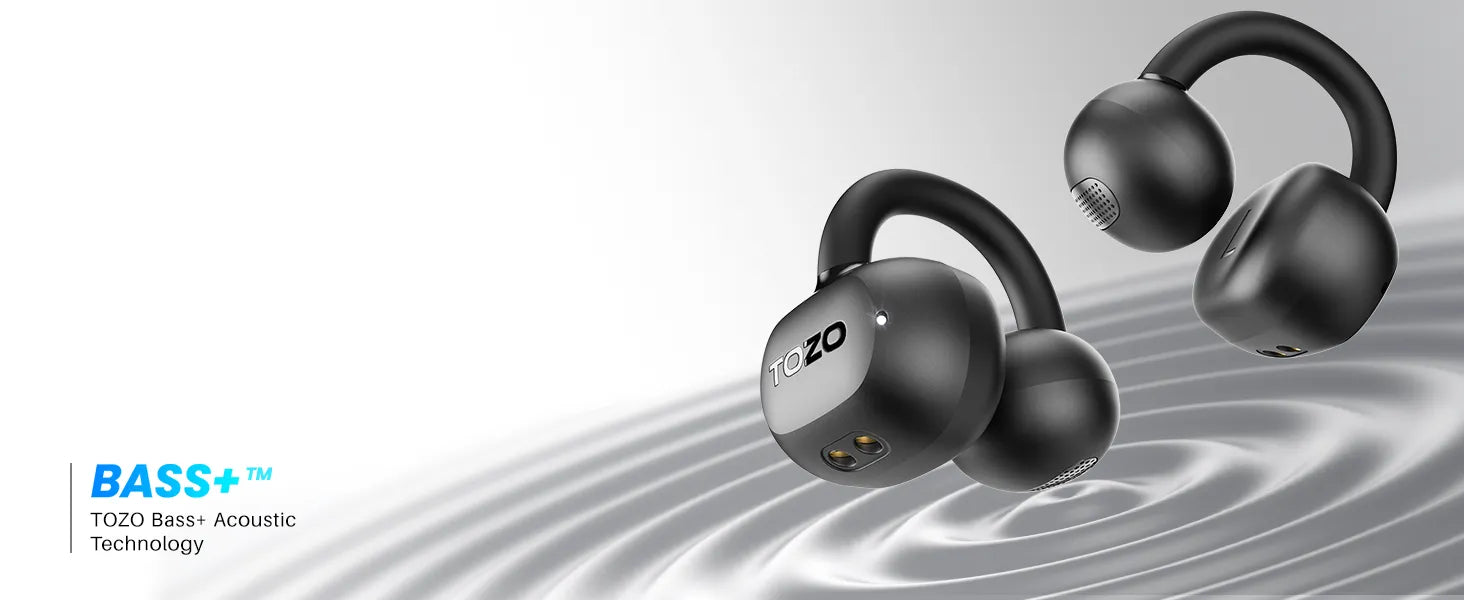
Los TOZO Open EarRing se destacan en 2025 porque combinan ingeniería de audio moderna con una innovadora estructura de oído abierto. Su diseño prioriza tanto la comodidad como la conciencia situacional. Los usuarios obtienen una experiencia auditiva natural sin sellar el canal auditivo, lo que los hace ideales para el uso diario. El modelo también incorpora componentes de alta calidad que amplifican la claridad, la profundidad y la fiabilidad inalámbrica.
Controladores dinámicos de 12 mm para una excelente calidad de sonido
Los controladores dinámicos de 12 mm generan un audio espacioso y bien definido con una fuerte resonancia en cada rango de frecuencia. Mantienen un control de vibración estable para una reproducción más limpia y una distorsión reducida. Además de esta solidez de hardware, los TOZO Open EarRing integran la tecnología acústica OrigX de TOZO para refinar el equilibrio tonal y mejorar la claridad. Los usuarios pueden ajustar aún más el sonido a través de la aplicación TOZO con un ajuste preciso del ecualizador, lo que permite un perfil de escucha personalizado que se adapta a diferentes entornos y preferencias.
Diseño ergonómico y de oído abierto
La estructura de oído abierto mantiene los oídos cómodos durante largas sesiones. Este diseño evita la acumulación de presión y permite que los sonidos externos se mezclen de forma natural. La curvatura sigue la forma de la oreja para una mejor estabilidad. Los usuarios pueden usarlos durante todo el día con una fatiga mínima.
Batería de larga duración
El diseño de la batería garantiza un tiempo de reproducción prolongado para un uso prolongado. Admite un día completo de funcionamiento con una sola carga, lo que reduce la necesidad de ciclos de carga frecuentes. Esta longevidad los hace fiables para el trabajo, los viajes y las rutinas de ejercicio.
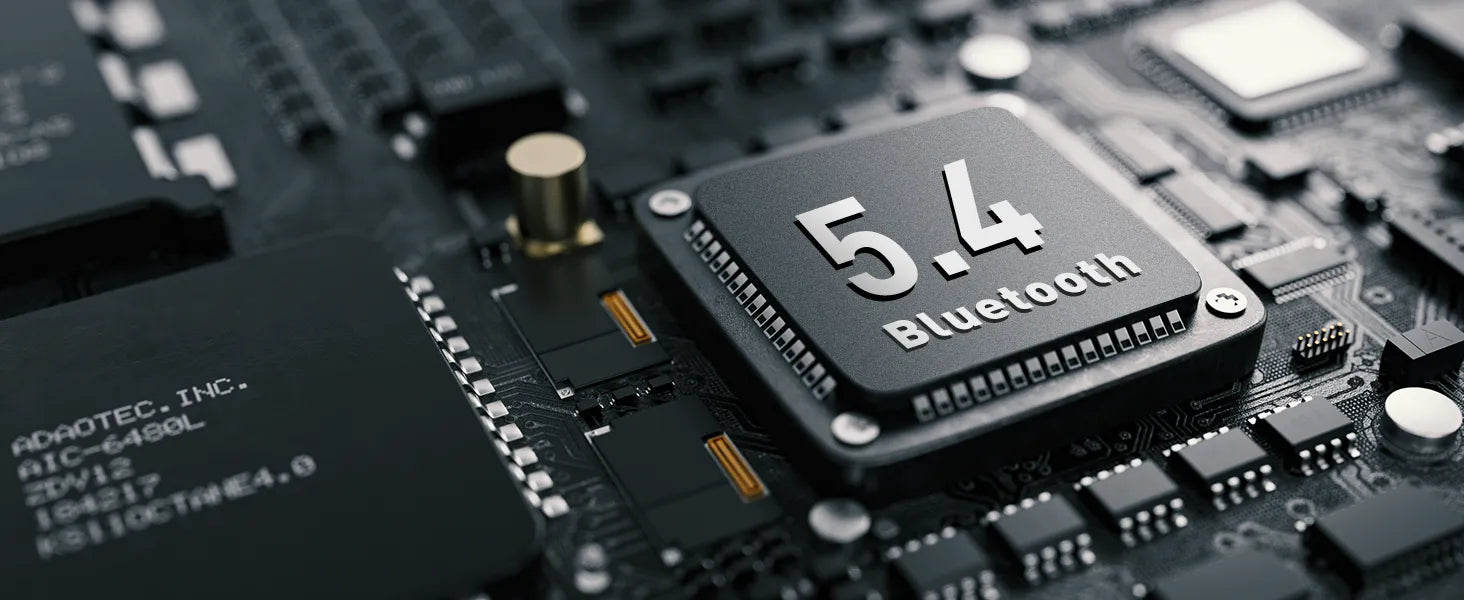
Bluetooth 5.4 para una conectividad estable y rápida
Bluetooth 5.4 mejora la estabilidad de la señal y reduce las interferencias. El protocolo actualizado garantiza un emparejamiento más rápido y una transmisión más fluida entre dispositivos. Proporciona un rango fiable y un flujo de datos constante para una escucha clara e ininterrumpida.
Conclusión
Los auriculares con cable e inalámbricos ofrecen fuertes ventajas en 2025. Las opciones con cable siguen destacando por su consistencia y latencia cero, mientras que los modelos inalámbricos ofrecen una libertad inigualable y funciones modernas. La elección del tipo correcto depende de sus hábitos, prioridades y estilo de escucha preferido.


