







Immersive technology is no longer just for gamers or tech fans. It is slowly becoming part of normal life. People now use smart devices to work, learn, relax, and stay connected. This is where AR glasses and VR headsets enter the picture. While both feel futuristic, they serve very different purposes. AR glasses focus on adding helpful digital details to the real world. VR headsets remove the real world completely. This guide breaks down how each one fits into daily routines and helps decide which option feels more natural for everyday use.
Understanding the Core Difference Between AR Glasses and VR Headsets
At first glance, AR glasses and VR headsets may seem similar. They both sit on your face and show digital visuals. The experience, however, is very different.

How Augmented Reality Overlays Digital Content onto the Real World
AR glasses enhance what you already see. They place digital images, text, or screens on top of the real environment. You still see your room, your desk, or the street ahead. The digital layer feels like an assistant rather than a replacement. Notifications float gently in view. Videos appear like a virtual screen in front of you. This makes AR glasses feel natural and less intrusive. They work well when awareness matters.
How Virtual Reality Creates Fully Immersive Digital Environments
VR headsets block out the real world. Once worn, everything you see is virtual. You may be in a game, a meeting room, or a fantasy space. This full immersion is powerful, but it also limits movement and awareness. VR works best for focused sessions. It is less ideal for casual use or multitasking during a normal day.
Comfort and Wearability for Long-Term Use
Comfort plays a major role in deciding which device fits daily life. A device that feels heavy or awkward will not be used often.
Lightweight Designs and Form Factors
AR glasses are usually lighter and slimmer. Many resemble oversized sunglasses. This design reduces strain on the neck and face. VR headsets are larger. They include thick straps and bulky housings. While balanced, they still feel substantial. For everyday use, lighter designs feel easier to accept.
Heat, Pressure, and Motion Comfort Considerations
VR headsets can trap heat and cause pressure during long sessions. Movement may also feel restricted. AR glasses allow airflow and freedom of motion. You can stand, walk, or sit without feeling enclosed. This makes AR glasses better suited for longer wear throughout the day.
AR Glasses for Everyday Life
AR glasses shine when daily tasks require a balance between digital help and real-world awareness. They support productivity and entertainment without isolating you from your surroundings.
Designed to Blend Digital Content with Real Surroundings
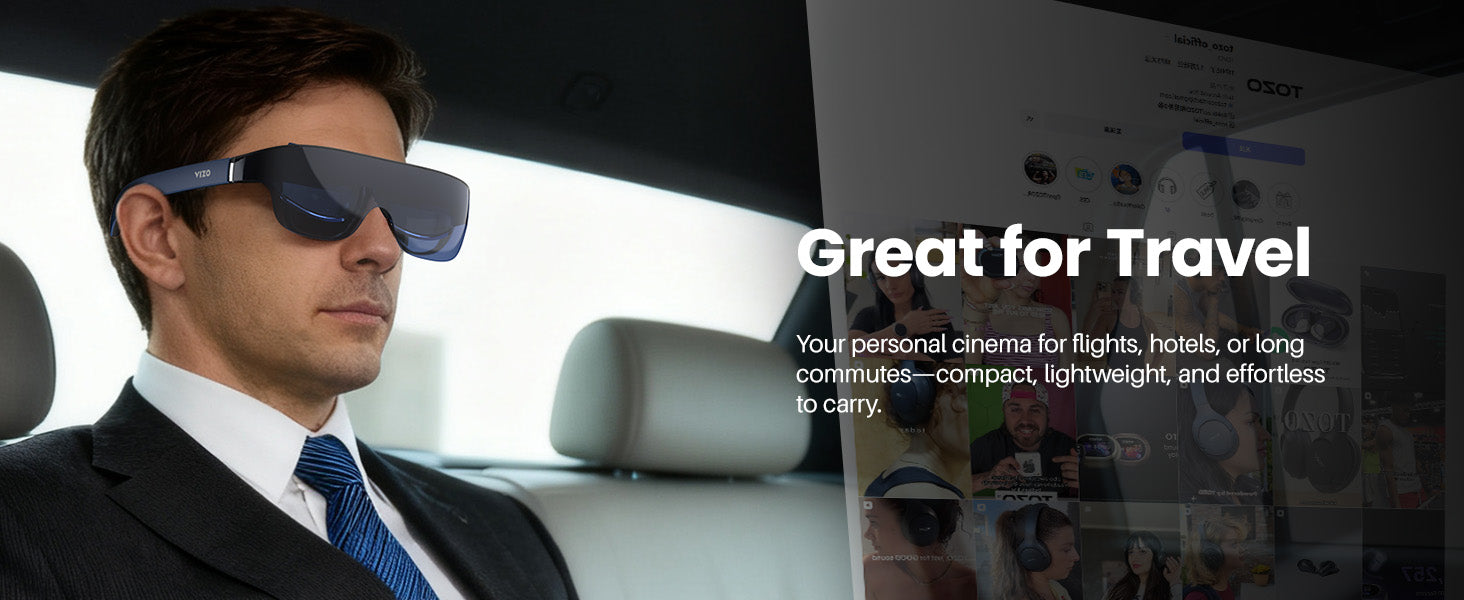
AR glasses allow screens to float naturally in space. You can watch a video while still seeing your surroundings. The real world stays present. This blending reduces fatigue and helps users stay grounded. It feels calm rather than overwhelming.
Suitable for Multitasking and Awareness
With AR glasses, multitasking feels safe and intuitive. You can read messages while cooking or follow directions while walking. Awareness remains intact. This is a key reason AR glasses work well outside the home. They support real life instead of replacing it.
Ideal Use Cases Throughout the Day
Morning news. Afternoon work tasks. Evening entertainment. AR glasses adapt to each moment. They can act as a private screen during commutes or a productivity tool at home. This flexibility makes AR glasses practical rather than niche.
TOZO VIZO V1: A Practical AR Glasses Option for Everyday Use
Among modern AR glasses, the TOZO VIZO V1 stands out as a balanced choice for daily life. It focuses on comfort, clarity, and simplicity.
High Bright Display and Large Virtual Screen
The TOZO VIZO V1 features a bright display that stays clear in many lighting conditions. Visuals remain vivid indoors and near windows. A large virtual screen creates a cinema-like feel without taking over your space. Movies, shows, and work content feel immersive yet controlled. The display quality supports long viewing without strain.
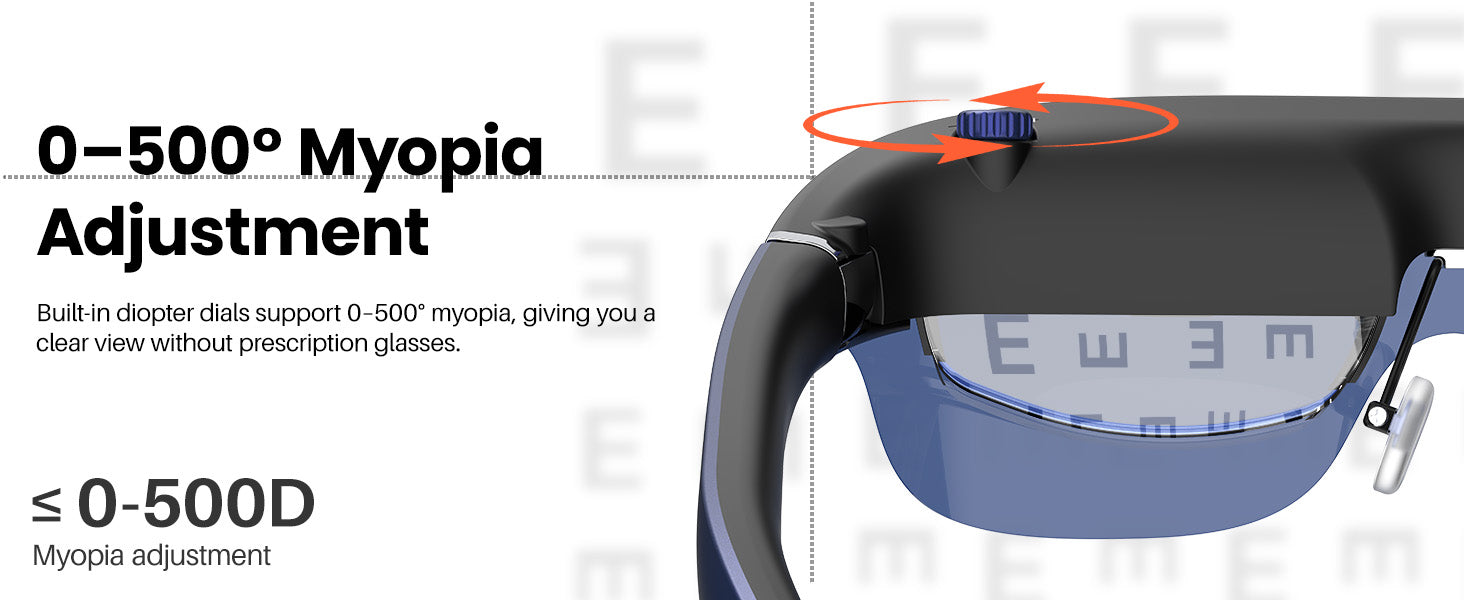
0 to 500 Degree Myopia Adjustment for Every User
Vision correction is often overlooked. The TOZO VIZO V1 includes built-in myopia adjustment from 0 to 500 degrees. This allows many users to enjoy clear visuals without wearing extra glasses. The result is a cleaner experience with less pressure on the face. This feature makes AR glasses more accessible to a wider audience.
Comfort and Lightweight Design for Everyday Use
Comfort is central to the TOZO VIZO V1 design. The frame is lightweight and balanced. It rests gently on the face without creating pressure points. Long sessions feel manageable. Whether watching a movie or checking information, the device feels easy to wear. This makes AR glasses feel like a natural extension of daily routines.
Conclusion
Both AR glasses and VR headsets offer exciting experiences, but they serve different lifestyles. VR headsets excel at deep immersion and focused sessions. AR glasses support everyday tasks with awareness and comfort. For daily use, AR glasses feel more flexible and practical. They enhance life without removing it, which makes them a stronger fit for most people.


